

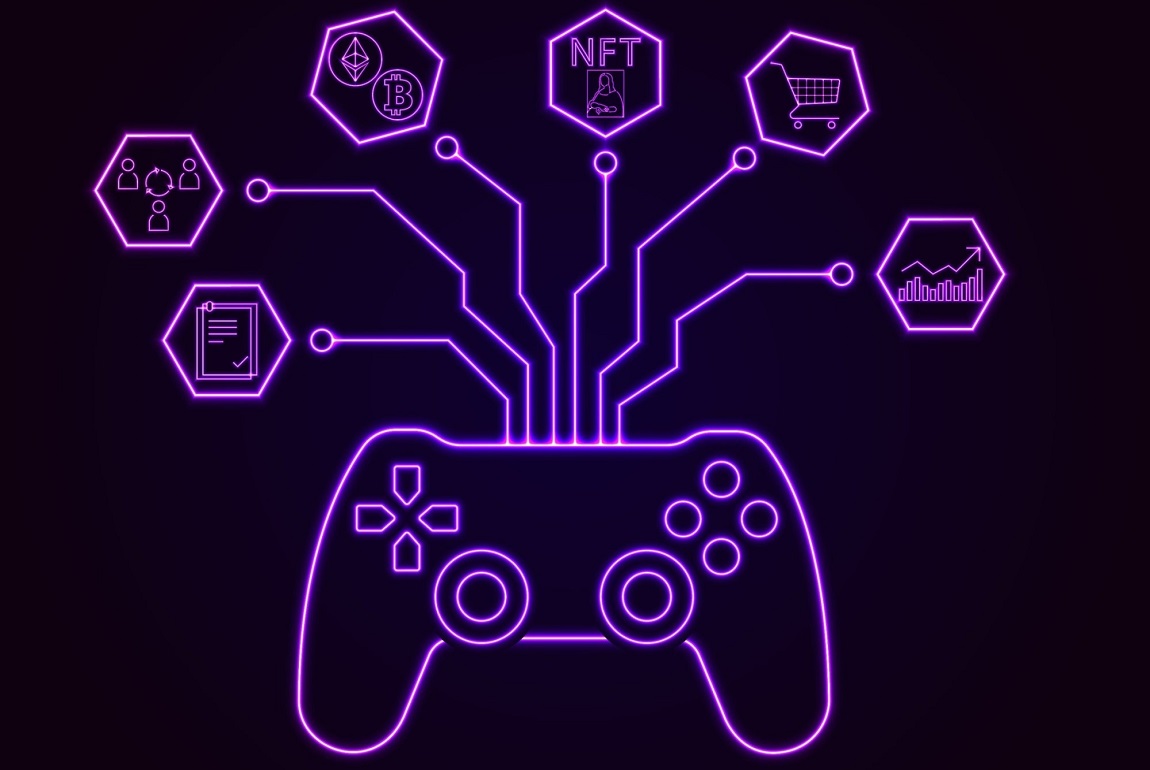
The gaming industry is constantly evolving, and in recent years one of the key trends has been the emergence of Web3 games — projects that use blockchain technologies to create a new level of interaction between players, the economy, and the game world.
Web3 Games: Definition
Web3 games are games built on decentralized technologies such as blockchain and smart contracts. Unlike traditional games, where all data, resources, and in-game items belong entirely to the publisher, Web3 games give players real ownership of digital assets.
This is made possible through:
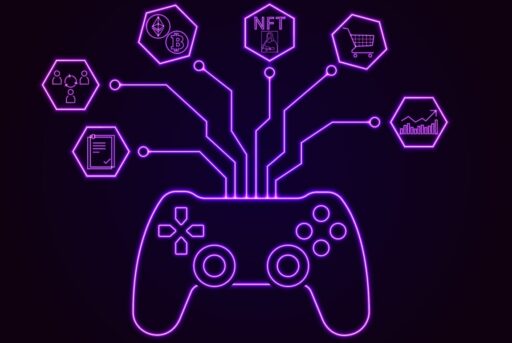
- NFTs (non-fungible tokens) — unique digital items that can be bought, sold, or transferred to another player.
- Tokenized economies, where in-game currency can hold value outside the game.
- Decentralized databases, which ensure transparency, security, and protection from interference with in-game assets.
Key Features of Web3 Games
Real Ownership of Assets
A player owns weapons, skins, characters, or land plots the same way they own cryptocurrency — through their wallet.
A Game Economy With Real Value
Items and currencies can freely circulate on external marketplaces without restrictions.
Transparency and Security
All transactions and data are stored on the blockchain, which eliminates fraud and prevents arbitrary rule changes.
New Monetization Models
Web3 games use play-to-earn, play-and-own, move-to-earn, and other innovative approaches.
Community-Driven Development
Many projects use DAOs — decentralized autonomous organizations where players vote on the game’s development.
Why Do We Need Web3 Games?
The Web3 format expands the industry’s possibilities:
- Players can earn money by playing.
- Developers can build more sustainable and open ecosystems.
- Communities become active participants in a project’s development, not just consumers.
Web3 games are especially popular among those who value freedom, decentralization, and systems where a player’s contribution has real value.
Cosmofox — an Example of the New Generation of Web3 Games
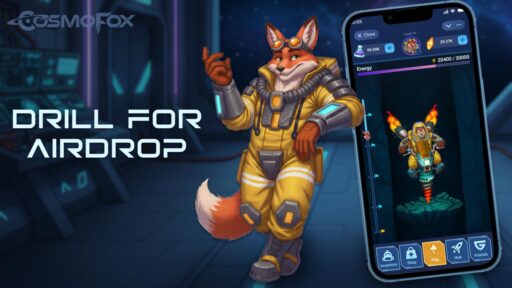
Cosmofox is one of the most notable representatives of modern Web3 games. The project combines blockchain mechanics, a digital-asset economy, and engaging gameplay. Players can own unique characters and items, trade them, upgrade their heroes, and participate in a game world built on decentralization and a transparent economy.
Cosmofox demonstrates how Web3 technologies open new horizons — from fair in-game economies to expanded opportunities for player interaction.
Conclusion
Web3 games are not just another trend, but a natural step in the evolution of digital entertainment. They create a world where players gain real value for their time, and developers can build decentralized gaming universes. And projects like Cosmofox show what the future of the gaming industry may look like.