

Blockchain games have long moved beyond being a niche form of entertainment for crypto enthusiasts. Today, they are becoming increasingly accessible and, most importantly, offer earning opportunities even for those without deep technical knowledge. Easy entry, intuitive mechanics, and the real economic value of in-game assets make Web3 games attractive to both beginners and experienced players.
The key difference between blockchain games and traditional projects is that all in-game items and tokens belong to the player. This means that time spent in a game can bring not only enjoyment, but also income.
What Makes a Blockchain Game Simple and Profitable
Simple and profitable blockchain games usually do not require complex learning or large initial investments. They feature intuitive interfaces, clear gameplay tasks, and transparent economies. Players quickly understand which actions generate rewards and how those rewards can be used or withdrawn.
Profitability is driven by gaming tokens, NFT assets, participation in events, and the growth of the project’s ecosystem. The more actively a game and its community develop, the higher the earning potential for early participants.
Play-to-Earn and Play-and-Own: The Foundation of Earnings
Most profitable blockchain games rely on play-to-earn and play-and-own models. In the first case, players earn tokens through active gameplay, completing tasks, and participating in events. In the second, players own characters, items, or resources as NFTs, which can be sold or used for further earning opportunities.
These models are especially attractive to newcomers because they allow users to start with minimal risk and gradually build up their in-game assets.
Cosmofox — An Example of a Simple and Promising Blockchain Game
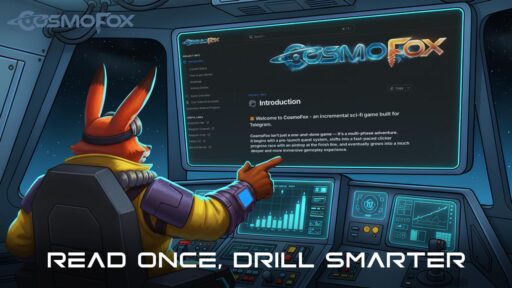
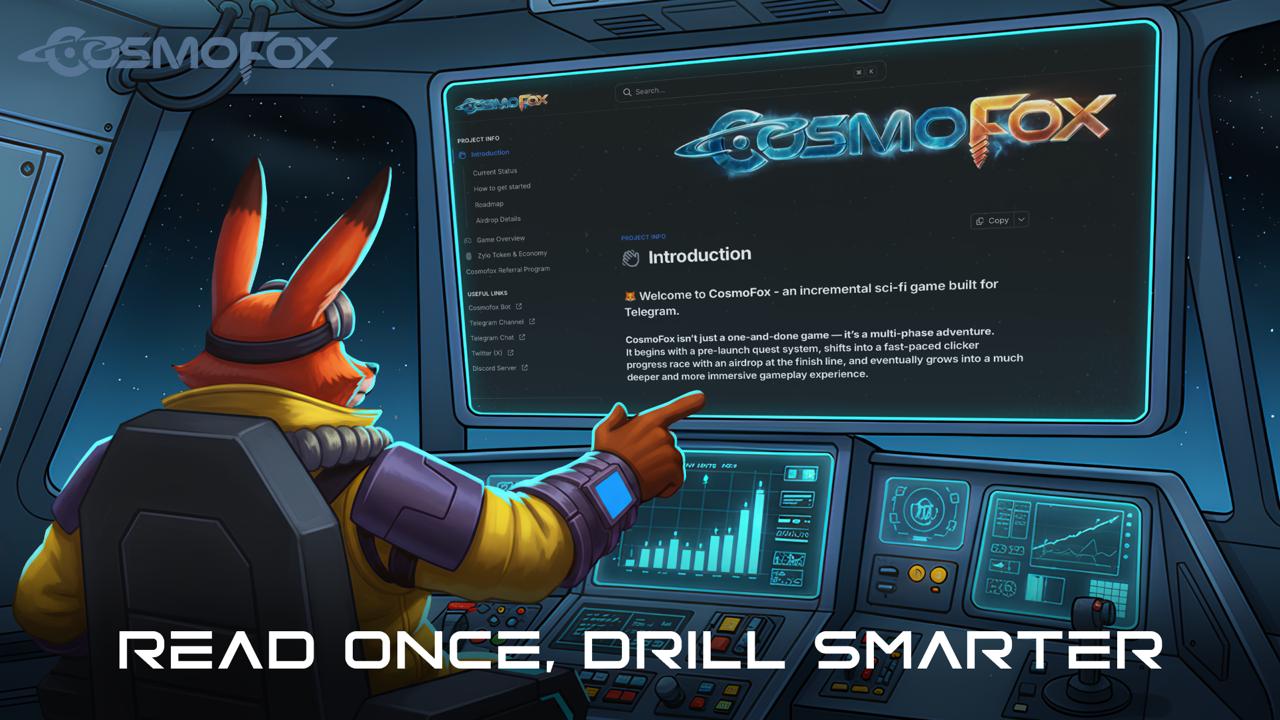
One interesting example is Cosmofox. This game combines accessible gameplay with a Web3 economy in which players own their digital assets. Cosmofox focuses on community engagement and offers clear mechanics for character progression and reward earning.
The project demonstrates how blockchain games can be simple, engaging, and economically attractive at the same time. Thanks to its well-designed asset system and in-game economy, Cosmofox is suitable both for beginners and for those already familiar with GameFi.
The Role of Gaming Tokens and the Example of ZYLO
A key element of any profitable blockchain game is its gaming token. It is the link between gameplay and the real economy. Tokens can be earned in-game, used within the ecosystem, staked, or sold on the market.
In this context, the ZYLO token is worth highlighting. ZYLO is being developed as part of a Web3 gaming ecosystem and is focused on long-term growth, active community participation, and a sustainable economic model. Such tokens are especially attractive at early stages, when participation in the ecosystem can offer the greatest growth potential.
Why Beginners Should Start Right Now
Modern blockchain games are becoming increasingly user-friendly for new players. They simplify onboarding, offer tutorials, early participation bonuses, and clear earning mechanisms. For beginners, this represents an opportunity to enter the Web3 economy without complex technical barriers.
Participating in projects like Cosmofox and paying attention to promising gaming tokens such as ZYLO allows users not only to get acquainted with GameFi, but also to become part of growing gaming ecosystems.
Conclusion
The simplest and most profitable blockchain games are those with intuitive gameplay, transparent economies, and real value behind their in-game assets. They allow players to earn while playing and to take part in the development of new digital worlds.
Games like Cosmofox and gaming tokens such as ZYLO illustrate what the future of Web3 gaming can look like — accessible, engaging, and financially meaningful for every player.