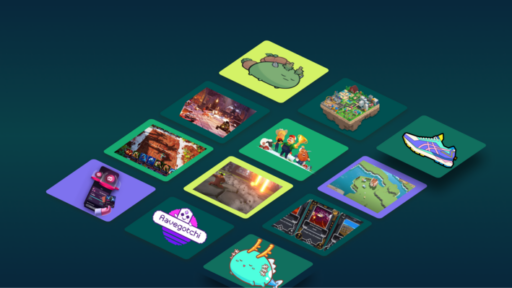




Over the past few years, blockchain games have evolved from experimental projects with basic graphics into full-fledged gaming ecosystems with their own economies, active communities, and real digital asset value. While early GameFi projects focused primarily on earning opportunities, by 2026 the industry is entering a new phase where gameplay quality, sustainable economic models, and mass adoption of Web3 technologies take center stage.
From Play-to-Earn to Play-and-Own
One of the key trends shaping blockchain games in 2026 is the shift away from the traditional Play-to-Earn model. Early projects often struggled with token inflation and player churn once profitability declined. In 2026, more games are embracing the Play-and-Own concept, where ownership of digital assets takes priority over short-term earnings.
Players receive NFT characters, items, and resources that hold long-term value and can be used within the ecosystem or beyond it. Income becomes a result of engagement and strategy, rather than the sole purpose of gameplay.
The Evolution of In-Game Economies
Blockchain game economies in 2026 are becoming more sophisticated and resilient. Developers are increasingly implementing multi-layered tokenomics, token-burning mechanisms, staking, and DAO-based governance. These tools help balance supply and demand, reduce downward pressure on token prices, and actively involve players in ecosystem development.
Another important trend is the integration of DeFi tools and real-world assets (RWA). Game tokens and NFTs are more frequently used as collateral, yield-generating instruments, or components of a broader Web3 economy.
Gameplay Quality and Visual Design
By 2026, blockchain games are increasingly comparable to traditional titles in terms of graphics and user experience. Projects featuring AAA-level visuals, richly designed worlds, and deep mechanics are becoming more common. This significantly lowers the entry barrier for new users who expect the same level of quality from Web3 games as from conventional ones.
Developers now recognize that without engaging gameplay, even the most innovative economy cannot sustain long-term user interest. As a result, balancing entertainment and economic incentives has become a defining success factor.
The Rise of Social and Community Mechanics
Community plays a central role in the development of blockchain games in 2026. Games are increasingly incorporating cooperative governance models, guild systems, in-game DAOs, and social interaction features. Players are no longer just consumers of content—they become active participants shaping the ecosystem.
Referral programs, in-game events, leaderboards, and cooperative missions further enhance engagement and support organic growth without relying on aggressive marketing.
Mass Adoption and Simplified Onboarding
Another major development is the simplification of the user experience. In 2026, many blockchain games are adopting embedded wallets, gas abstraction, and fiat on-ramps. These features allow new players to start playing without deep knowledge of cryptocurrencies or blockchain technology.
This approach paves the way for mass adoption of Web3 games and makes them accessible to a broader audience beyond the crypto-native community.
Regulation and Institutional Interest
By 2026, the blockchain gaming market is becoming more mature and increasingly attractive to institutional investors. Clearer regulatory frameworks across various jurisdictions reduce risk and increase trust in the sector. This, in turn, encourages large-scale partnerships, capital inflows, and higher production standards.
Game studios and technology companies are beginning to view blockchain as a core infrastructure for new business models rather than a speculative experiment.
Conclusion
The development of blockchain games in 2026 is defined by a transition from speculative models to sustainable gaming ecosystems. The industry is placing greater emphasis on quality, player engagement, and the real value of digital assets.
Web3 games are no longer just about earning—they are becoming an integral part of the digital economy, where players truly own their assets, participate in governance, and enjoy immersive gameplay experiences. This balance between technology, entertainment, and economics will ultimately shape the future of blockchain gaming in the years ahead.