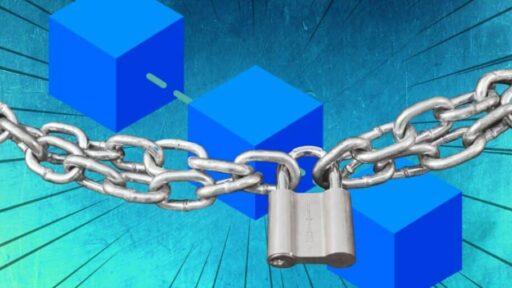



Blockchain games open up new opportunities for players, including true ownership of digital assets, participation in in-game economies, and interaction with decentralized ecosystems. However, along with these advantages comes increased responsibility for data and asset security. Unlike traditional games, in GameFi the user is fully responsible for protecting their assets, access credentials, and private keys.
In this article, we explore the main risks in blockchain gaming and practical ways to protect your data and funds.
Why Security in Blockchain Games Is Especially Important
In GameFi, player data is directly tied to real digital assets. Losing access to a wallet or having an account compromised can result not only in lost game progress but also in real financial losses. In addition, blockchain games often interact with DeFi protocols, NFT marketplaces, and third-party services, significantly expanding the potential attack surface.
Wallet Security Is the Foundation
The most critical element of security in blockchain games is the crypto wallet. It stores tokens, NFTs, and access rights to in-game functionality.
To protect your wallet, it is essential to:
- never share your seed phrase with anyone;
- store your seed phrase offline;
- use a separate wallet for GameFi activities;
- connect hardware wallets whenever possible.
No advanced gameplay mechanics can compensate for losing wallet access, which is why this area should always be a top priority.
Be Cautious When Connecting to Games and Websites
Phishing remains one of the most common threats in Web3. Fake game portals, counterfeit NFT marketplaces, and cloned versions of popular projects often mimic official resources.
Before connecting your wallet, always:
- verify the website domain;
- use official links from trusted sources;
- carefully review transaction signature requests;
- avoid approving actions you do not fully understand.
Managing Permissions and Smart Contracts
Many blockchain games require players to grant smart contracts permission to manage tokens or NFTs. Over time, these permissions can become a security risk, especially if a project is no longer maintained or becomes compromised.
Regularly reviewing and revoking unnecessary permissions is an important part of digital hygiene and helps reduce the risk of asset loss.
Protecting Accounts and Social Engineering Risks
Although crypto wallets are central to security, many games also use accounts linked to email addresses or social media profiles. Compromised credentials can give attackers access to player profiles and create opportunities for manipulation.
Using strong, unique passwords, enabling two-factor authentication, and avoiding password reuse significantly increases security.
Asset Segmentation and Risk Reduction
One of the most effective security strategies is asset separation. Storing all tokens and NFTs in a single wallet increases potential losses in the event of an attack.
A sound approach includes:
- one wallet for active gameplay;
- cold storage for long-term holdings;
- limited balances for daily transactions.
Awareness and Education as the Best Defense
Most GameFi-related losses occur not due to blockchain vulnerabilities but because of user mistakes. The more players understand how Web3 works, the harder it becomes to deceive them.
Continuous learning, staying updated on project news, and understanding basic security principles are the best ways to protect both data and assets.
Conclusion
Protecting data in blockchain games is not a one-time task but an ongoing process. In 2026, as GameFi becomes more complex and increasingly integrated with financial services, responsibility for security rests largely with users.
A mindful approach to key storage, cautious interaction with projects, and proper asset management allow players to safeguard their data while confidently enjoying the benefits of modern blockchain gaming.