

Over the past few years, the blockchain gaming market has evolved from simple Play-to-Earn projects into complex gaming ecosystems with their own economies. In 2026, choosing a blockchain game is no longer about finding “quick profits,” but about making an informed decision that takes gameplay, economics, and the development team into account.
In this article, we explore what to look for when choosing a high-quality blockchain game, and why projects like CosmoFox are becoming benchmarks for the industry.
1. Gameplay Quality Is the Foundation of Long-Term Success
The first thing to evaluate in any blockchain game is gameplay. If a game is not enjoyable without tokens and rewards, it is unlikely to retain players in the long run.
High-quality projects offer:
- clear and engaging game mechanics;
- progression and motivation systems;
- regular updates and events;
- a balance between casual and strategic gameplay.
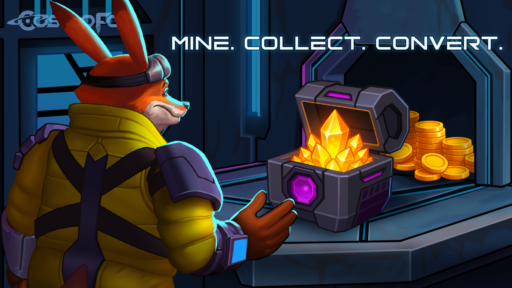
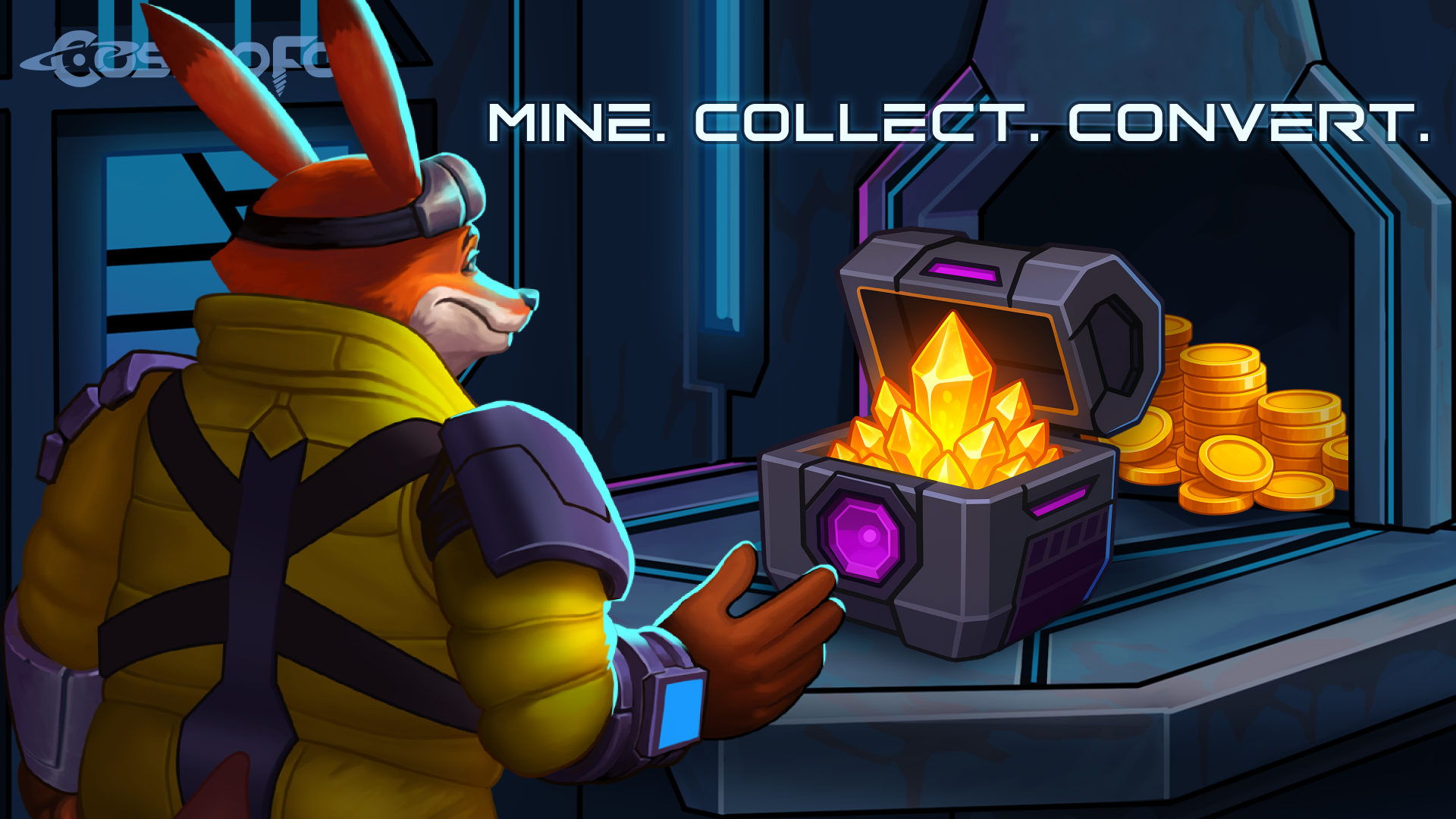
In CosmoFox, gameplay is built around quests, levels, and character progression, making participation in the ecosystem engaging even without a strong focus on earnings.
2. A Sustainable Economic Model
The in-game economy is a core element of any GameFi project. It’s important to understand how token value and in-game assets are created and maintained.
Signs of a healthy economy include:
- real in-game utility for tokens;
- controlled or limited token supply;
- burn or redistribution mechanisms;
- low dependency on a constant inflow of new players.
In CosmoFox, in-game resources and assets are deeply integrated into gameplay rather than existing as purely speculative instruments.
3. True Asset Ownership and Utility
In high-quality blockchain games, NFTs are not just collectibles—they are functional in-game assets. They should:
- directly affect gameplay;
- unlock new features or opportunities;
- be usable across different game modes;
- retain value as the ecosystem evolves.
The deeper an asset is embedded into game mechanics, the higher its long-term value.
4. Team Experience and Project Track Record
The team behind a game plays a critical role in its stability and long-term development. Before investing time or money, it’s important to research:
- the team’s experience in game development and Web3;
- whether they have live, working products;
- transparency in communication with the community;
- the project roadmap and completed milestones.
Projects like CosmoFox stand out by delivering a functioning product with ongoing development rather than just a concept on paper.
5. User Experience and Accessibility
In 2026, a high-quality blockchain game must be accessible not only to crypto-native users but also to mainstream gamers. Good UX includes:
- easy onboarding without complex wallet setups;
- intuitive interfaces;
- low transaction fees;
- stable and reliable performance.
CosmoFox places a strong emphasis on user experience, lowering the entry barrier and making Web3 mechanics easy to understand.
6. Active Community and Social Features
A strong community is one of the most important indicators of a project’s quality. Active players, guilds, events, and social interactions create network effects that support both gameplay and the in-game economy.
Positive signs include:
- active social media and Discord/Telegram communities;
- regular communication from the development team;
- built-in social and cooperative features.
Conclusion: How to Make the Right Choice
A high-quality blockchain game in 2026 is defined by:
✔ engaging gameplay,
✔ a sustainable economy,
✔ real asset ownership,
✔ an experienced team,
✔ strong usability and accessibility.
Projects like CosmoFox demonstrate that GameFi can offer not only earning opportunities, but also a complete and rewarding gaming experience with long-term value. These are the games shaping the future of the blockchain gaming industry.