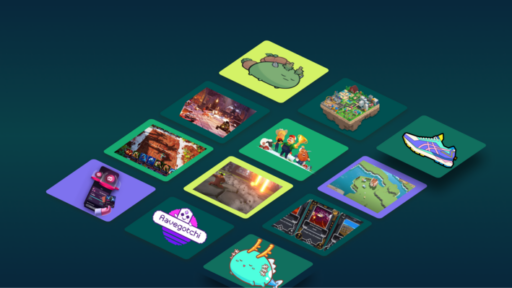




The year 2026 is becoming a major milestone in the development of the blockchain gaming industry. Web3 game tokens are attracting attention not only from players, but also from institutional investors, traders, and DeFi ecosystem builders. Listing gaming tokens on centralized and decentralized exchanges is not just a step toward greater liquidity—it is also a sign of a project’s maturity.
In this article, we explore which gaming tokens are entering the market in 2026, the trends driving these listings, and why they matter for the future of Web3 gaming. Special attention is given to ZYLO, the gaming token of the Cosmofoxproject, and its role in the market.
Why Token Listings Matter for Blockchain Games
A token listing is the process by which a token becomes available on an exchange, allowing users to trade, swap, and store the asset. For gaming project tokens, listings play several key roles:
1. Increased liquidity
A gaming token gains access to trading pairs with major assets (BTC, ETH, USDT), improving circulation and accessibility.
2. Transparency and trust
Listings on major exchanges often imply audits, compliance with security requirements, and a higher level of market confidence.
3. Community growth
Players, investors, and external participants can easily enter the project, strengthening the ecosystem.
4. Economic ecosystem development
Listings stimulate the use of tokens in gameplay mechanics, in-game economies, and DeFi activities such as staking, farming, and DAO governance.
Gaming Token Listing Trends in 2026
Institutional interest
As infrastructure matures and regulated products emerge, institutional investors increasingly view gaming tokens as a new class of digital assets. This is especially evident in projects with sustainable economies and transparent tokenomics.
Listings on hybrid exchanges
Instead of choosing strictly between CEXs and DEXs, many projects opt for hybrid platforms that combine high liquidity with decentralization.
Focus on community-driven listings
Exchanges are increasingly basing listing decisions on community activity: retroactive incentives, voting mechanisms, and NFT integrations. This helps build a loyal user base even before the token reaches the market.
Integration with DeFi mechanics
Game tokens are becoming part of a broader financial ecosystem. They are used for staking, as collateral for loans, and in DAO governance, turning listings into a launchpad for long-term strategic growth.
Key Gaming Tokens Expected to Be Listed in 2026
ZYLO (Cosmofox)
One of the most talked-about tokens of the year is ZYLO, the native token of the Web3 game Cosmofox. The project attracts attention not only due to its engaging gameplay and well-designed economy, but also because of its strong community engagement.
Why the ZYLO listing matters:
- Stable in-game economy
ZYLO is used for rewards, asset trading, character progression, and participation in events. - Increased liquidity
The listing opens access to ZYLO trading for a broader audience via both centralized and decentralized exchanges. - Greater community participation
Early players gain direct access to the market to manage and monetize their in-game assets. - DeFi integration
ZYLO becomes part of the wider Web3 economy, serving as a token for staking, DAO voting, and other decentralized services.
The listing of ZYLO is seen as a significant milestone in the development of Cosmofox and the entire gaming token segment.
Other Promising Gaming Tokens
In addition to ZYLO, 2026 is expected to see listings of tokens from other successful blockchain projects:
- Illuvium (ILV) — a premium gaming project with high-quality 3D graphics and a complex ecosystem;
- Star Atlas (ATLAS / POLIS) — a space strategy game with deep economic models;
- The Sandbox (SAND) — a metaverse with a large and active user base;
- Decentraland (MANA) — a virtual reality platform with a robust ecosystem.
Each of these tokens has its own history, strong community, and unique gameplay mechanics.
Risks to Keep in Mind
While token listings are important milestones, they do not guarantee steady price growth. In 2026, market participants should consider the following risks:
- Volatility
Gaming tokens can experience significant price fluctuations, especially in the early stages after listing. - Regulatory changes
Legislation in many countries is still adapting to digital assets. - Market overheating
A large number of listings can lead to short-term speculation rather than long-term investment.
A responsible approach, diversification, and a solid understanding of a project’s fundamentals remain key to safe market participation.
Conclusion
The year 2026 is shaping up to be a turning point for blockchain gaming. Projects are reaching new levels of market integration, and gaming tokens are becoming actively traded assets with real value. Token listings are not just technical events—they are indicators of ecosystem maturity, community trust, and readiness for mass adoption.
Particular attention this year is drawn to ZYLO by Cosmofox—a gaming token backed by a well-designed economy and strong community support. Its listing opens new opportunities for players, investors, and the broader Web3 industry.