



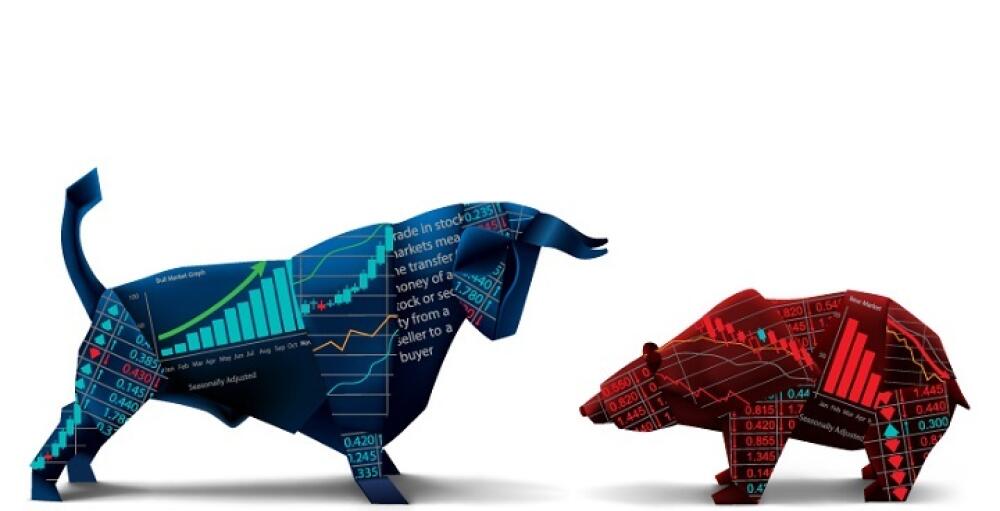
The question “When will the next bull market start?” is one of the most common in the crypto industry. It gets asked during downturns, sideways markets, and even during rallies. The truth is, however, that a bull market never begins overnight — it forms gradually.
Let’s look at the key factors that could trigger the next major upswing and what to expect in 2026.
What Is Considered a Bull Market?
A bull market is a prolonged period of sustained price growth, strong liquidity, and a significant influx of new investors. In crypto, it is typically accompanied by:
- rising Bitcoin prices
- capital flowing into Ethereum and altcoins
- increasing trading volumes
- growing interest in Web3, NFTs, and GameFi
Historically, the crypto market moves in cycles — growth is followed by correction, accumulation, and then a new expansion phase.
The Key Trigger: Bitcoin Halving
One of the most important drivers has always been the halving event. The latest Bitcoin halving took place in 2024, reducing the issuance of new coins.
Historically, strong market growth has followed 12–18 months after a halving. Based on previous cycles, peak activity could occur in 2025–2026.
However, past performance does not guarantee identical outcomes.
Institutional Capital
The next bull market is unlikely to be driven solely by retail investors. Increasingly important players include:
- ETFs and exchange-traded products
- large investment funds
- public companies
- banks
If institutional inflows continue, the market may become less volatile but significantly larger in total capitalization.
Regulation and Trust
Regulatory clarity plays a major role. The clearer the rules in the U.S., the EU, and Asia, the higher the likelihood of sustained capital inflows.
Positive developments around ETFs, licensing, and digital asset recognition could act as catalysts for the next growth phase.
Macroeconomic Conditions
Crypto no longer exists in isolation from the global economy. It is influenced by:
- interest rates
- inflation
- central bank policies
- global liquidity
If the global economy shifts toward looser monetary policy, risk assets — including cryptocurrencies — could gain additional momentum.
Possible Scenarios for 2026
Optimistic scenario:
Growth continues, Bitcoin sets new all-time highs, altcoins deliver strong multiples, and Web3 projects attract a new wave of investment.
Moderate scenario:
The market grows steadily without extreme euphoria. Capital flows primarily into large, established projects, while weaker altcoins struggle.
Negative scenario:
Tight macroeconomic conditions or restrictive regulation slow down capital inflows.
So When Will the Bull Market Happen?
Based on historical cycles, 2025 through the first half of 2026 appears to be a period with elevated probability of a bullish phase.
However, it’s important to understand:
a bull market does not start on a single day — it develops through accumulation, rising confidence, and expanding liquidity.
Conclusion
A bull market is not just about rising prices. It is a combination of:
- favorable macroeconomic conditions
- reduced Bitcoin supply
- institutional interest
- investor confidence
The market moves in cycles, but each new cycle tends to become more mature and structurally complex.
The real question is not only “when will growth begin,” but whether you are strategically prepared for it — with diversification, risk management, and a long-term approach.